Choose one topic for the week
To teach kids English at home, choose one everyday topic for the week, introduce five to eight useful words with clear pictures and audio, then revisit them through short videos, simple questions, quizzes and puzzles. Keep sessions brief, use the words in normal family life, and finish before practice feels like a battle.
Start with a goal small enough to use
“Learn English” is too large to guide Tuesday’s ten-minute session. “Recognize and try five words about food” is clear. Pick language your child can meet in daily life: animals in a book, clothes while getting dressed, or food during a meal. A practical connection gives each new word a reason to exist.
You do not need to speak perfect English to support learning. Use the audio in Capybara English as the model, listen together and keep your own prompts short. Your job is to create attention and opportunities, not to deliver a lecture. When you are unsure, ask the child to find a picture or listen again instead of giving a complicated explanation.
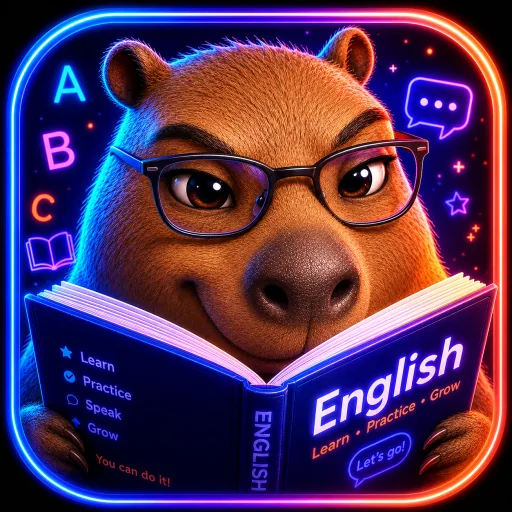
Capybara English offers topic-based picture, audio and funny short video flashcards, as well as quizzes and puzzles. Content is also organized using Starters, Movers and Flyers groupings. Choose the level that feels accessible to your child, and combine app practice with reading, conversation and other activities.
A repeatable five-day home English plan
- Monday: meet the words. Open one topic and explore five to eight picture flashcards. Play the audio once, then again if the child wants to echo. Do not test yet.
- Tuesday: recognize and choose. Return to the same set. Say or play a word and ask the child to point to the matching image. Mix easy choices with one that needs thought.
- Wednesday: add video context. Watch the funny short video flashcards. Talk about what is happening, then connect the visual moment back to the target word.
- Thursday: retrieve through play. Try a quiz or puzzle in the app. Pause when helpful and let the child think. Treat an incorrect choice as information, then replay the card.
- Friday: use and celebrate. Review favorites, then use two or three words in a tiny home challenge: find the object, draw it, act it out or include it in a playful phrase.
A weekend review is optional. If your child asks for the app, revisit a favorite topic. If not, let the week breathe. A sustainable pattern is one your family can repeat without resentment.
Turn screen vocabulary into usable language
After a flashcard session, choose just one or two words to notice in the real world. Name a color while sorting laundry, an animal on a walk, or an item while unpacking groceries. Then move on. Repeated natural encounters are more inviting than turning every activity into a surprise test.
Build from recognition to speaking in gentle stages. First, let the child listen. Next, ask them to point or choose. Then invite a one-word answer. Later, model a short phrase and allow them to copy it. Children do not all move through these stages at the same speed, and a quiet child may understand more than they say.
What if motivation drops?
Change the action before changing the whole plan. If repeating feels dull, switch to pointing. If flashcards feel too still, watch a funny short video. If choosing is frustrating, return to two obvious options. Quizzes and puzzles can provide variety, but they should stay playful rather than becoming a score the child must defend.
Offer limited choice: “Animals or food?” is easier than “What do you want to learn?” Let a child select a favorite card to end with. That small amount of control can restore attention without removing the learning goal. For very young learners, see the dedicated preschool English routine.
How to tell whether the plan is working
Look for useful changes over several weeks: quicker picture recognition, willingness to replay audio, a word appearing during play, or better recall in a quiz. Avoid judging progress from one tired day. Keep a simple note of topics explored and words that appear naturally. When most of a set feels familiar, add a few new items while keeping favorites in the mix.
Consistency does not mean identical lessons. It means the child recognizes the rhythm: choose a topic, see and hear words, respond in a manageable way, then finish positively. That structure makes teaching English at home feel possible even on busy weeks.
Put the weekly plan into practice
Use Capybara English to select a topic, introduce words with pictures and audio, add funny short videos, and review through quizzes or puzzles. The app is free to download, with optional in-app purchases.